When your doctor recommends diagnostic imaging, convenience probably matters more than you initially realise. Between work, school runs, family responsibilities, Johannesburg traffic, and everything else competing for your time, travelling across the city for a medical appointment can turn a relatively straightforward examination into a much bigger undertaking.
That is why so many patients begin by searching for an ultrasound near me
Choosing a local ultrasound facility is not simply about saving a few kilometres. It can make it easier to attend your appointment, reduce unnecessary travel, simplify follow-up care, and provide access to professional diagnostic imaging within a familiar healthcare environment.
Diagnostic Radiological Services (DRS) provides ultrasound and a broad range of diagnostic imaging services across convenient locations in Johannesburg’s eastern and southern areas. We aim to make the imaging process as efficient, comfortable, and straightforward as possible while providing the diagnostic information your referring healthcare professional needs.
What Is an Ultrasound?
Ultrasound, sometimes called sonar, is a medical imaging technique that uses high-frequency sound waves to create images of structures inside the body.
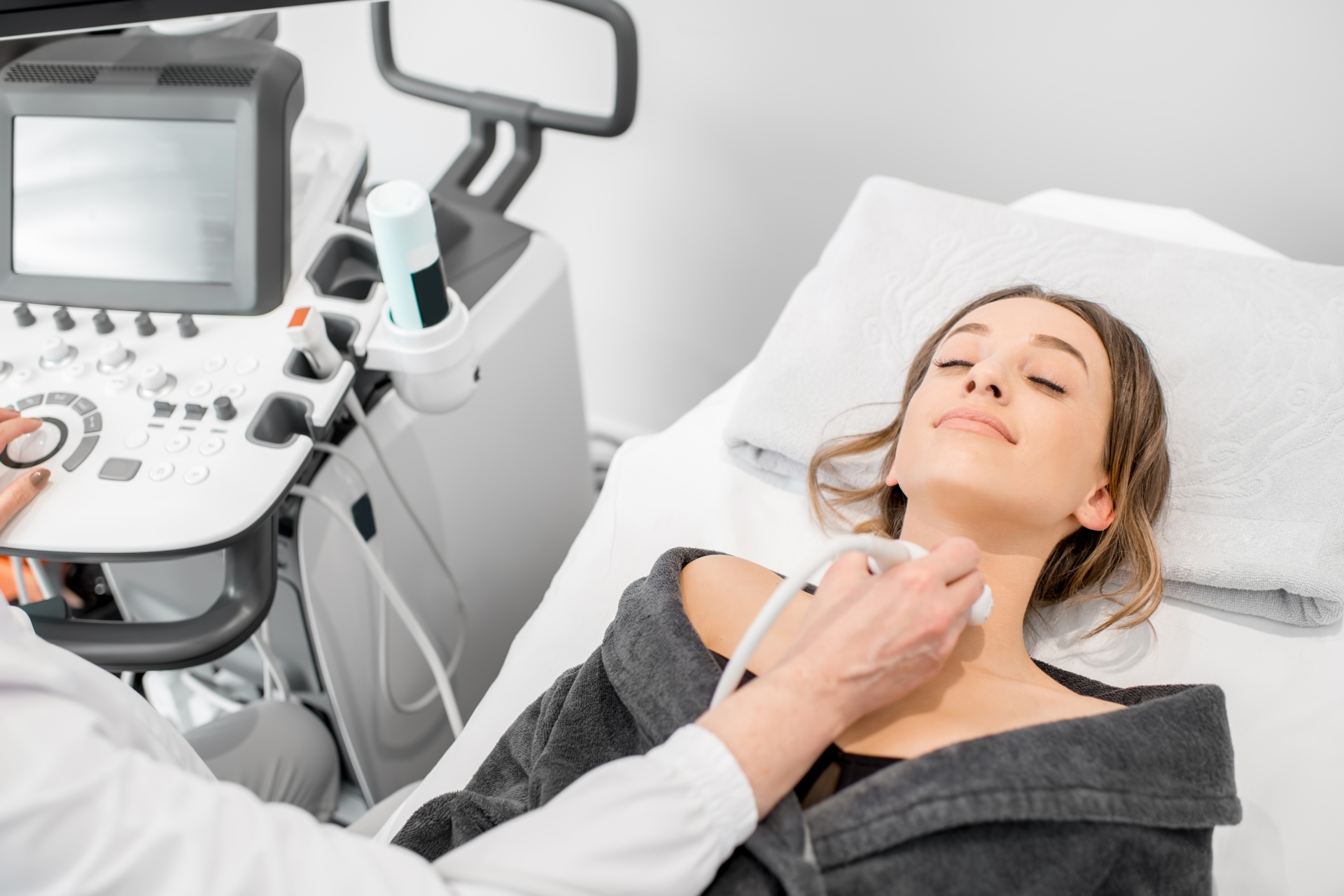
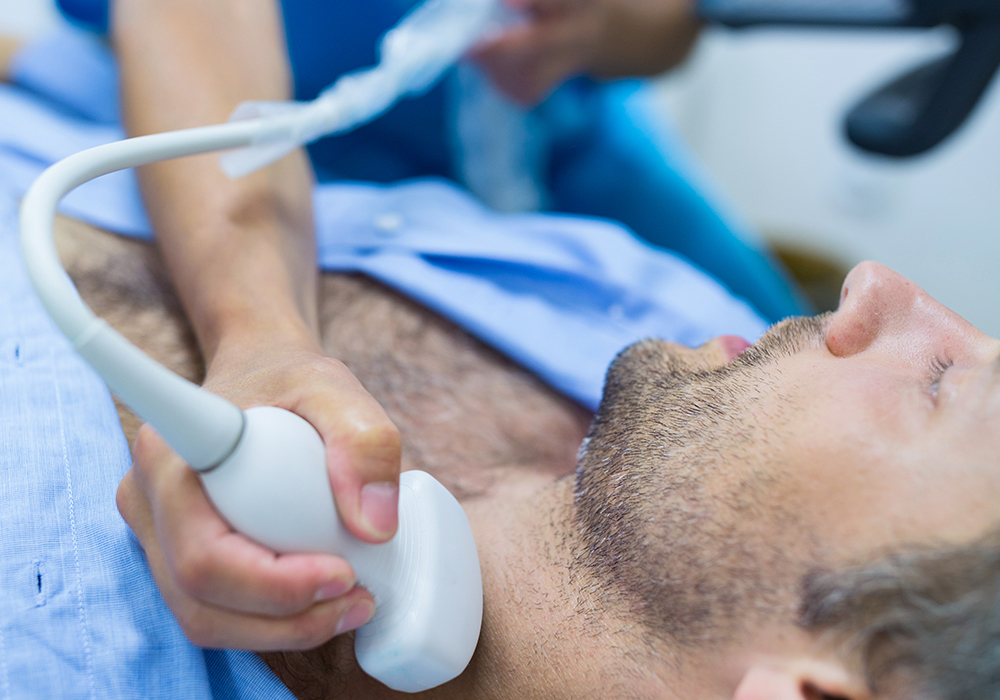
A small handheld device called a transducer sends sound waves into the area being examined. These waves are reflected differently by various tissues and structures, allowing the ultrasound equipment to create images that can be viewed in real time.
Unlike X-rays and CT scans, ultrasound does not use ionising radiation.
This makes it an extremely useful imaging method for examining many parts of the body and investigating a wide variety of medical concerns.
A specialised form of ultrasound called Doppler ultrasound can also be used to assess blood flow through blood vessels.
Your doctor will determine whether an ultrasound is the most appropriate imaging examination based on your symptoms, medical history, and the clinical information they need.
Why Search for an Ultrasound Near Me?
When you type ultrasound near me into a search engine, you are probably looking for more than the closest facility on a map.
You want somewhere that is convenient, professional, easy to access, and equipped to provide the diagnostic imaging your doctor has requested.
There are several practical advantages to choosing a local facility.
1. You Spend Less Time Travelling
Anyone who regularly drives around Johannesburg or the East Rand knows that a seemingly short journey can quickly become a lengthy one when traffic joins the party.
Choosing a local ultrasound facility means potentially spending less time travelling to and from your appointment.
This can be particularly helpful if you need to schedule your ultrasound around work, collect children from school, depend on somebody else for transport, or simply do not feel well enough for a long journey.
When healthcare is easier to access, attending necessary appointments becomes easier too.
2. It Is Easier to Fit Your Ultrasound Into a Busy Day
Medical appointments rarely happen on days when you have nothing else planned.
For many South Africans, an ultrasound appointment needs to fit somewhere between meetings, family responsibilities, errands, and commuting.
Having a facility close to home or work can make the process considerably more manageable. Instead of setting aside a large portion of your day for travel, you can focus on attending the examination itself and getting back to your routine.
That convenience may seem like a small detail, but when you are already worried about your health, fewer logistical headaches can make a meaningful difference.
3. Local Diagnostic Imaging Can Feel Less Intimidating
It is completely normal to feel a little apprehensive before a medical examination, particularly when you are waiting for answers about an unexplained symptom or health concern.
Being treated somewhere familiar can help.
You may already know the hospital, neighbourhood, or surrounding area, which means there is one less unknown to deal with on the day.
We aim to create a professional, patient-focused experience from the moment you arrive. Our teams understand that diagnostic imaging is routine for us, but it may be unfamiliar or worrying for you.
We want you to know what to expect and feel comfortable asking questions about the examination process.
4. Ultrasound Does Not Use Ionising Radiation
One of the most important benefits of ultrasound is that it creates images using sound waves rather than ionising radiation.
This allows ultrasound to provide valuable real-time information about many soft tissues, organs, structures, and blood vessels.
It is one reason ultrasound is used so widely throughout modern medicine.
However, ultrasound is not automatically the best examination for every medical problem. Depending on what your doctor needs to investigate, another imaging modality, such as an X-ray, CT scan, MRI, mammogram, or bone density examination, may be more appropriate.
Diagnostic Radiological Services offers a comprehensive range of diagnostic radiology services, allowing different imaging technologies to be used according to the clinical question that needs to be answered.
5. Ultrasound Can Provide Real-Time Imaging
Ultrasound differs from many other imaging examinations because images can be viewed as the examination is taking place.
This real-time capability makes ultrasound particularly useful for assessing moving structures and evaluating blood flow when Doppler techniques are used.
The precise examination performed will depend on the referral from your healthcare professional.
Rather than approaching an ultrasound as a generic scan, your imaging team works from the clinical question provided by your doctor. This helps ensure that attention is directed towards the area and information relevant to your care.
6. A Local Facility Can Make Follow-Up Care Simpler
Diagnostic imaging is often only one part of a patient’s healthcare journey.
After the ultrasound, the images need to be assessed and the findings communicated so that your referring healthcare professional can consider them alongside your symptoms, medical history, examination, and any other test results.
A radiologist formulates a report following the relevant imaging examination. Your results are then made available through our practice or your referring doctor, depending on the process involved.
Your referring healthcare professional can discuss the findings with you in the context of your overall health and advise you about what happens next.
Having your imaging performed locally may make the entire journey easier, particularly if additional appointments or investigations are required.
7. You Have Access to a Broader Range of Diagnostic Imaging Services
Sometimes an ultrasound answers the clinical question. At other times, additional imaging may be recommended.
This is one of the advantages of choosing an established diagnostic radiology practice rather than viewing each scan as a completely separate healthcare event.
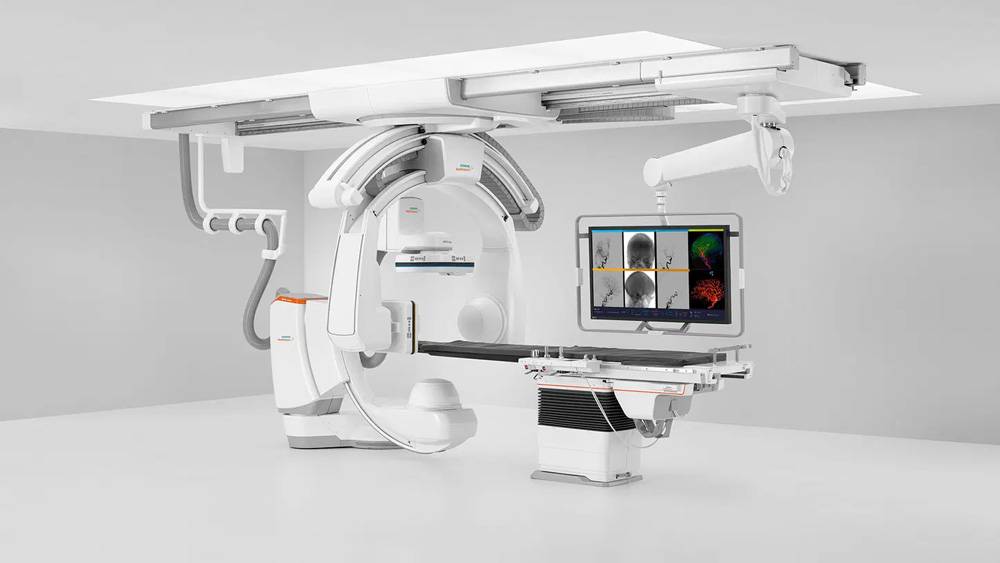
Diagnostic Radiological Services provides access to a range of diagnostic imaging services, which include ultrasound as well as X-ray, mammography, bone densitometry, MRI, CT, PET-CT, cone beam imaging, and interventional radiology services at selected facilities.
Not every imaging modality is available at every branch, so it is always worth checking which Diagnostic Radiological Services location provides the examination you require.
Our network gives patients across Johannesburg’s east and south access to professional diagnostic imaging at conveniently situated facilities.
What Can an Ultrasound Be Used For?
Ultrasound is a versatile diagnostic imaging technique.
Doctors may request ultrasound imaging to investigate symptoms or assess structures and organs in different parts of the body. Depending on the clinical situation, ultrasound may be useful when examining soft tissues, abdominal or pelvic structures, blood vessels, or other areas that can be effectively visualised using sound waves.
It is also widely known for its role in pregnancy imaging.
Doppler ultrasound provides additional information by helping assess the movement of blood through vessels.
The important point is that the examination should be matched to the medical question being investigated.
If your doctor has requested an ultrasound, the referral provides the imaging team with important information about the examination required and why it is being performed.
What Should You Expect During an Ultrasound?
The exact process depends on the ultrasound your doctor has requested.
For many examinations, you will be positioned so that the area being investigated can be easily accessed. A gel is generally applied to the skin to help the ultrasound transducer make good contact with the body and transmit sound waves effectively.
The transducer is then moved across the relevant area while images are produced on a monitor.
You may be asked to change position, remain still, or follow simple instructions during the examination so that the necessary images can be obtained.
Some pressure may be required when scanning certain areas. If the area is already tender, this may feel temporarily uncomfortable.
Your imaging professional will guide you through the procedure.
Do I Need to Prepare for an Ultrasound?
Possibly.
Preparation requirements vary depending on the type of ultrasound being performed. Some examinations require particular preparation to make certain organs or structures easier to visualise, while others require very little preparation.
For that reason, do not assume that all ultrasound appointments work the same way.
When arranging your Diagnostic Radiological Services appointment, make sure you understand the preparation instructions for your particular examination and follow them carefully.
If something is unclear, contact the relevant branch beforehand. It is far better to check than to arrive and discover that additional preparation was required.
What Should I Bring to My Appointment?
Preparing a few things in advance can make your visit smoother.
Bring the referral letter or request form from the healthcare professional who referred you. This provides important information about the examination required.
You should also bring your medical aid information where applicable. Depending on your examination and circumstances, additional administrative information may be requested.
It is a good idea to arrive a little before your scheduled appointment so that any necessary paperwork can be completed without making you feel rushed.
If you have relevant previous imaging or reports, your doctor or the practice may also advise you to bring these along.
Why Your Doctor’s Referral Matters
A search for an ultrasound near me may lead you to the facility, but it is your doctor who helps determine which examination is appropriate.
Symptoms can have many possible causes, and different imaging technologies reveal different types of information.
Your referral tells the diagnostic imaging team what your healthcare professional wants investigated. This clinical context is important because radiology is not simply about taking pictures. It is about obtaining useful medical imaging information that contributes to diagnosis, treatment planning, or ongoing care.
Following the examination, the radiology findings can then be considered by your referring healthcare professional alongside the rest of your clinical information.
Convenience Should Never Mean Compromising on Care
Location matters, but it should never be the only consideration when choosing where to have medical imaging performed.
When comparing options after searching ultrasound near me, look for an established diagnostic radiology provider offering professional imaging, appropriate expertise, clear patient guidance, and an efficient process for communicating results.
Diagnostic Radiological Services’ diagnostic imaging services are designed around both patients and referring healthcare professionals.
We understand that behind every scan is a person who wants answers.
That is why our goal is to combine professional diagnostic imaging with a friendly, respectful patient experience.
Find an Ultrasound Near Me With Diagnostic Radiological Services
When your doctor requests an ultrasound, you should not have to make your healthcare journey more complicated than necessary.
With Diagnostic Radiological Services facilities conveniently located across Johannesburg’s eastern and southern areas, professional diagnostic imaging may be closer than you think.
Whether you need an ultrasound to investigate symptoms, assess a medical concern, or provide your doctor with additional diagnostic information, our team is here to guide you through the imaging process.
Contact Diagnostic Radiological Services to find the branch most convenient for you, confirm that your required ultrasound is available, and arrange your appointment.
When you need an ultrasound near me, choose local diagnostic imaging backed by the experience, technology, and patient-focused service of Diagnostic Radiological Services.
Frequently Asked Questions About Ultrasound
Is an ultrasound safe?
Ultrasound does not use ionising radiation. Instead, it uses high-frequency sound waves to create images of structures inside the body. Your healthcare professional can advise whether ultrasound is appropriate for your particular medical needs.
Do I need a referral for an ultrasound at Diagnostic Radiological Services?
You should bring the referral provided by your healthcare professional. The referral identifies the ultrasound examination required and provides clinical information that helps guide the imaging process.
Do I need to make an appointment for an ultrasound?
It is advisable to arrange your ultrasound with the relevant Diagnostic Radiological Services branch beforehand. This also allows the team to explain any preparation requirements that apply to your particular examination.
How should I prepare for my ultrasound?
Preparation differs according to the type of ultrasound. Some examinations have specific requirements, while others need little preparation. Follow the instructions provided when arranging your appointment and contact the branch if you have any questions.
Does an ultrasound hurt?
Ultrasound is generally a non-invasive examination. You may feel pressure as the transducer moves across the area being examined, especially if that area is already tender.
How long does an ultrasound take?
Examination times vary according to the type of ultrasound, the body area being investigated, and the images required. The DRS team can give you more information when you arrange your appointment.
What is Doppler ultrasound?
Doppler ultrasound is a specialised ultrasound technique used to assess blood flow through blood vessels. Your doctor will determine whether Doppler imaging is required as part of your examination.
What happens to my results after an ultrasound?
After the appropriate images have been obtained, a radiologist assesses the examination and formulates a report. Results are then made available through the practice or your referring healthcare professional, who can discuss the findings with you in the context of your overall medical care.
Where can I find an ultrasound near me in Johannesburg?
Diagnostic Radiological Services provides diagnostic imaging services at multiple facilities across Johannesburg’s eastern and southern areas. Contact your nearest Diagnostic Radiological Services branch to confirm ultrasound availability and arrange an appointment.
What should I bring to my ultrasound appointment?
Bring your doctor’s referral and your medical aid information, where applicable. Follow any additional instructions provided when your appointment is arranged, and bring relevant previous imaging if you have been asked to do so.