

Mammograms
A mammogram exam is a specialised medical imaging procedure that uses low-dose X-rays to examine breast tissue. It plays a crucial role in the early detection and diagnosis of breast cancer and other breast-related conditions. Mammograms are not only for women experiencing symptoms like lumps, pain, or nipple discharge; they are also recommended for asymptomatic women as a preventative screening tool.
This procedure is highly effective in identifying abnormalities before physical symptoms appear, making it a life-saving tool in routine breast health assessments. While mammogram exams are most commonly associated with women, men can also undergo mammography when clinically indicated.
Types of Mammograms
Screening Mammogram
- A screening mammogram exam is a routine, proactive breast health check-up for individuals without symptoms.
- Recommended for women aged 45 and older.
- If you have a family history of breast cancer, it’s advised to begin screenings 10 years earlier than the age at which your relative was diagnosed.
Diagnostic Mammogram
A diagnostic mammogram exam is performed when there are noticeable symptoms or concerns, such as:
- A lump in the breast
- Pain or tenderness
- Skin dimpling
- Nipple discharge or changes
Diagnostic mammogram exams provide more detailed images and may include additional views to evaluate abnormalities.
What to Expect During a Mammogram Exam
Understanding what happens during a mammogram exam can ease anxiety and help you prepare.
Before the Procedure
- You’ll be asked to change into a procedure gown.
- A qualified mammographer (radiographer) will explain the process and answer your questions.
During the Procedure
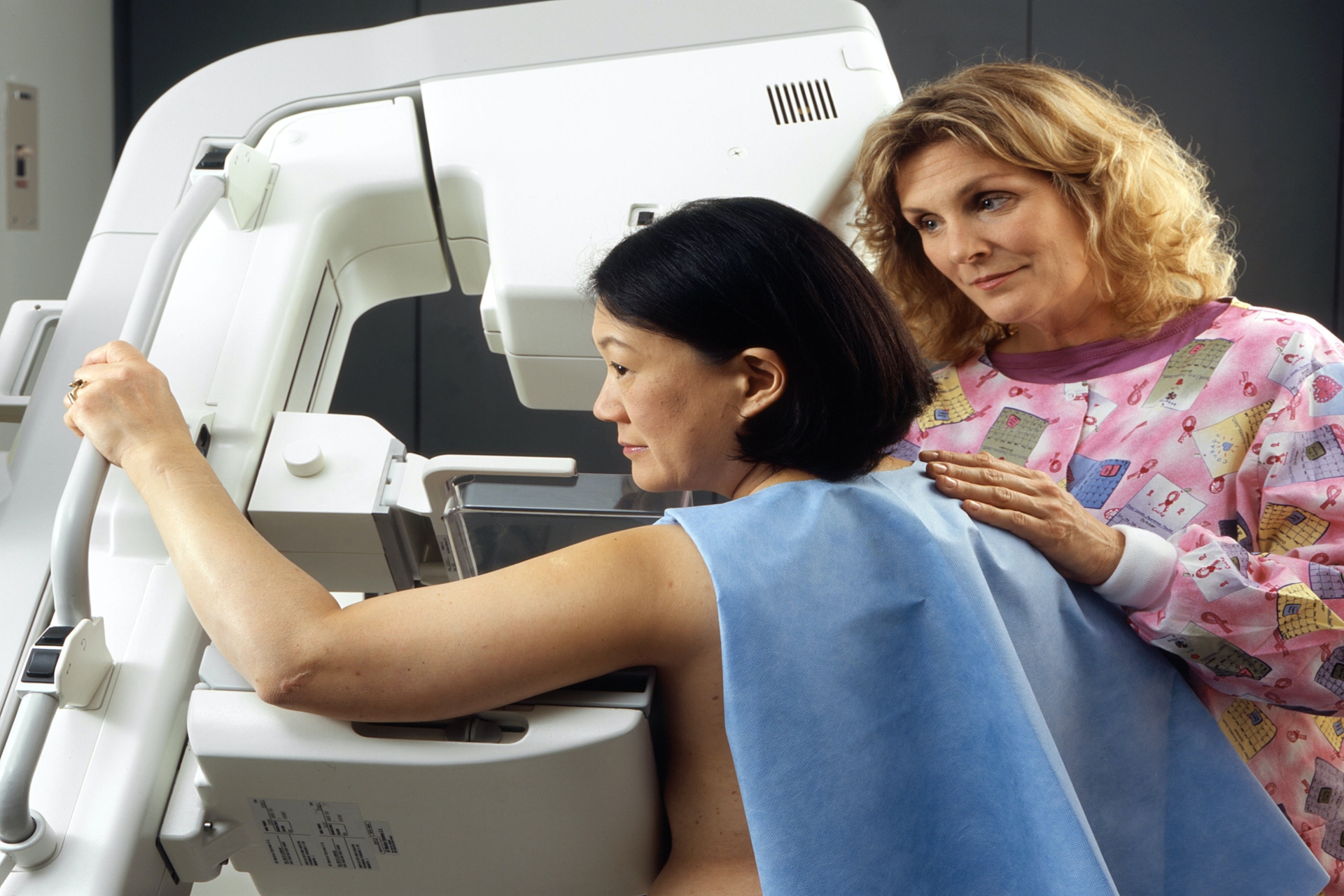
- Your breasts will be positioned on the mammography equipment.
- Breast compression is applied to:
- Spread the tissue evenly
- Minimise radiation exposure
- Improve image clarity
- Though the compression can be uncomfortable or slightly painful, it lasts only a few seconds and is essential for accurate results.
- Generally, two images are taken per breast. Depending on the radiologist's assessment, additional images may be needed.
After the Procedure
- The procedure typically takes 15–30 minutes.
- Results are ready within an hour, and your doctor will review them.
- If further imaging or testing is needed, arrangements will be made.
How to Prepare for a Mammogram
Proper preparation ensures accurate imaging and a smoother experience.
Referral and Documentation
- Bring a referral note from your doctor.
- If you have previous mammogram results, bring them for comparison (unless previously done at our practice).
Personal Care Instructions
- Avoid deodorant, creams, and powders on the day of your appointment. They can appear as false calcium spots on the images.
- Wear comfortable clothing (e.g., a top with pants or a skirt).
Scheduling Considerations
Avoid scheduling the exam one week before or during your period, as your breasts may be more tender.
Payment and Medical Aid
- Most procedures do not require pre-authorisation, but check with your medical aid.
- You are responsible for any shortfalls not covered by your plan.
- Private patients must settle their accounts on the day.
AVAILABLE AT THE
FOLLOWING BRANCHES
Why Mammogram Exams Matter
Mammogram exams are one of the most effective tools for detecting breast abnormalities at an early stage, often before any physical symptoms arise. Early detection significantly improves treatment options and survival rates.
Protect Your Breast Health Today
Mammogram exams are vital parts of proactive healthcare, whether for screening or diagnosis. Schedule your appointment with us today and take the first step in safeguarding your health through early detection and expert care. Contact us for more information and preparation requirements.