- What is an Ultrasound Examination
- What to expect when getting an Ultrasound Examination
- How to prepare for an Ultrasound Examination
Ultrasound Examinations
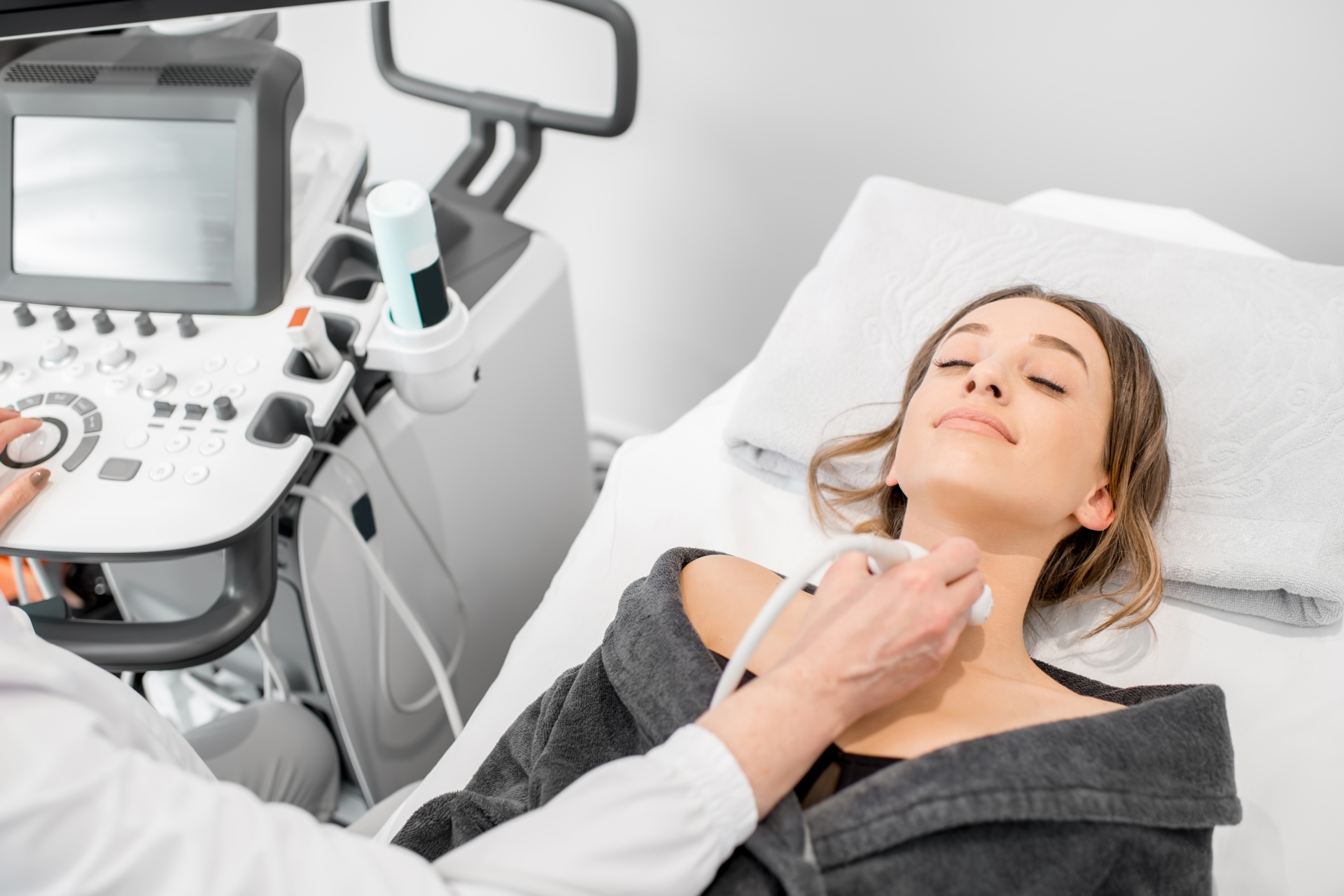
Ultrasound examinations are non-invasive diagnostic procedures that use high-frequency sound waves to create real-time images of structures within the body. This advanced imaging technique is widely used to assess organs, muscles, ligaments, tendons, and blood vessels, allowing healthcare providers to detect abnormalities, monitor conditions, and guide medical treatments.
Unlike X-rays or CT scans, ultrasound does not use ionising radiation, making it a safe and preferred method during pregnancy. Because it captures images in real time, it is also used to evaluate movement, such as blood flow or organ motion.
A specialised technique known as Doppler ultrasound further enhances the evaluation by visualising blood flow through vessels. This is especially useful in diagnosing thrombosis (blood clots), narrowed arteries, or other vascular conditions.
Need an Ultrasound?
Diagnostic Radiological Services offers ultrasound examinations near you. Contact us for more information and preparation requirements. Fast, safe, and reliable diagnostics are just a visit away.
What to Expect During an Ultrasound Examination
Understanding the process can help ease anxiety and ensure a smoother experience. Here’s what typically happens during an ultrasound examination:
- Preparation and Arrival: You may be asked to change into a procedure gown before the examination begins.
- Application of Gel: A water-based gel will be applied to your skin to allow smooth movement of the probe (also called a transducer) and to facilitate clear image transmission.
- Image Capture: The sonographer will gently move the probe over the area being examined to capture detailed images from different angles.
- Instructions: You will be asked to remain still and may be given specific breathing or positioning instructions to improve image quality.
- Duration: The examination typically takes 15 to 30 minutes, depending on the type and complexity of the procedure.
- Discomfort: Some mild discomfort may be experienced, especially if the examination area is sensitive due to a recent injury.
- Post-Procedure: The gel will be wiped off with a paper towel. The results are usually available within 30 minutes; your doctor will discuss them with you.
Ultrasound Preparation Guidelines
- Preparation requirements may vary depending on the type of ultrasound examination being performed. Here's what you should keep in mind:
- Doctor’s Referral: Always bring a referral letter from your healthcare provider that outlines the specific ultrasound required based on your medical history.
- Appointments: Most ultrasound procedures do not require a scheduled appointment unless special preparation is needed (e.g., fasting or bladder filling).
- Bladder Preparation: For some pelvic or abdominal ultrasounds, you may be asked to arrive with a full bladder.
- Payment and Medical Aid:
- The account will be submitted on your behalf if you are covered by medical aid. However, you are responsible for any shortfalls or non-payments.
- Private patients must settle the payment on the day of the procedure.
- If your referral is through your employer or Workman’s Compensation (WCA), please bring a Letter of Guarantee or the required documentation.
Advantages of Ultrasound Examinations
- Non-invasive and painless (in most cases)
- Radiation-free and safe for pregnant patients
- Quick results, usually within 30 minutes
- Dynamic imaging for evaluating movement and blood flow
- Widely accessible and cost-effective
AVAILABLE AT THE FOLLOWING BRANCHES
Bedford Gardens Hospital
MediMix
Linksfield Hospital
Mulbarton Hospital
Roseacres Clinic
Sunward Park Hospital
Alberton Hospital
REQUEST AN APPOINTMENT