
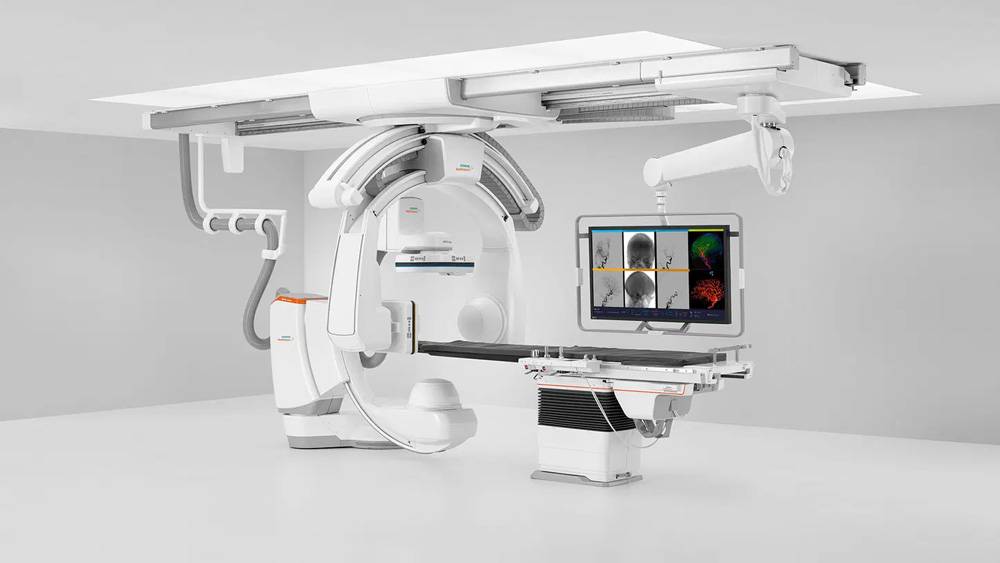
Modern medicine is moving towards treatments that are more precise, less disruptive, and designed around the patient’s comfort and recovery. For many South Africans, this shift has made interventional treatment an important part of healthcare, particularly when a condition can be managed through a minimally invasive, image-guided procedure rather than traditional open surgery.
Diagnostic Radiological Services understands that patients want clear answers, trusted expertise, and treatment options that support their quality of life. Through advanced imaging technology and radiologist-led care, interventional radiology allows us to diagnose and treat certain conditions through small entry points in the skin, often with less trauma to the body.
Whether a patient has been referred for a biopsy, a vascular procedure, tumour ablation, or fibroid treatment, minimally invasive interventional treatment can offer meaningful benefits when clinically appropriate. These procedures are guided by imaging such as X-ray, ultrasound, or CT, allowing the specialist to see inside the body in real time and target the area of concern with accuracy.
This article explains what minimally invasive interventional treatments are, how they work, and why they are becoming increasingly valuable in South African healthcare.
What Is Interventional Treatment?
Interventional treatment refers to a medical procedure performed with the help of imaging guidance. Instead of making a large surgical incision, an interventional radiologist uses imaging technology to guide small instruments, needles, catheters, or treatment devices to a specific area inside the body.
This approach is commonly known as interventional radiology. It combines diagnostic imaging expertise with targeted treatment. The aim is to treat certain medical conditions as precisely as possible while reducing the physical impact on the patient.
Depending on the condition and the referral from the treating doctor, interventional treatment may be used for procedures such as:
- Image-guided biopsies
- Tumour ablations
- Vascular treatments
- Uterine fibroid embolisation
- Other specialist procedures where imaging guidance is required
Not every patient or condition is suitable for interventional radiology, which is why assessment and referral are essential. The treating doctor and radiology team consider the patient’s diagnosis, medical history, imaging results, and overall health before determining whether a minimally invasive option is appropriate.
Why Minimally Invasive Treatment Matters
For many patients, the idea of undergoing a procedure can be stressful. Concerns about hospital admission, pain, downtime, scarring, and complications are completely understandable. Minimally invasive interventional treatment helps address some of these concerns by focusing on targeted care.
Instead of opening a large area of the body to reach the treatment site, imaging allows the specialist to navigate internally with precision. This can reduce unnecessary disruption to surrounding tissue and may support a smoother recovery process.
In a busy South African context, where patients often need to return to work, family responsibilities, and daily life as soon as safely possible, this can make a practical difference. While every patient’s recovery is unique, minimally invasive options can often offer a less intensive experience than conventional surgery.
The Role of Imaging in Interventional Treatment
The strength of interventional radiology lies in image guidance. Imaging is not simply used before or after the procedure; it is part of the treatment itself.
At Diagnostic Radiological Services, imaging modalities such as X-ray, ultrasound, and CT play an important role in guiding procedures. These technologies allow the radiologist to identify the correct area, monitor movement inside the body, and deliver treatment with accuracy.
This precision is one of the major reasons interventional treatment is so valuable. The specialist can work with a clear view of the anatomy, helping to reduce guesswork, and improve procedural control.
For patients, this means the procedure is planned and performed with detailed visual information. For referring doctors, it provides confidence that the treatment is supported by radiological expertise and high-quality imaging.
Benefit 1: Smaller Incisions and Less Physical Trauma
One of the clearest benefits of minimally invasive interventional treatment is that it usually requires only a small puncture or entry point rather than a large incision.
This can help reduce trauma to the body. Smaller access points may mean less disruption to skin, muscle, and surrounding tissue. In many cases, this also means fewer visible marks after healing when compared with open surgical procedures.
For patients who feel anxious about surgery, this can make the treatment journey feel more manageable. A smaller physical intervention can also support comfort during the recovery period, although the exact experience depends on the type of procedure performed and the patient’s individual health profile.
Benefit 2: Image-Guided Precision
Precision is central to interventional radiology. Because the procedure is guided by imaging, the radiologist can target the area of concern directly.
This is particularly important in procedures such as biopsies, tumour ablations, and vascular treatments, where accuracy matters. The ability to see the treatment area in real time helps the specialist reach the correct location while avoiding unnecessary interference with nearby structures as far as possible.
For patients, this targeted approach can offer reassurance. For doctors, it provides valuable support in diagnosis, treatment planning and patient management.
Benefit 3: Faster Recovery in Suitable Cases
Many minimally invasive procedures are associated with shorter recovery times when compared with more invasive surgical approaches. Because there is generally less tissue disruption, the body may have less healing to do.
This does not mean every patient will recover at the same speed, and it does not mean there are no risks. Recovery depends on the specific procedure, the patient’s condition, aftercare instructions, and the advice of the treating doctor.
However, when interventional treatment is suitable, patients may benefit from a more efficient return to normal activities. This can be especially important for working adults, caregivers, parents, and patients managing ongoing health responsibilities.
Benefit 4: Reduced Need for Open Surgery
In some cases, interventional treatment may provide an alternative to open surgery. This is one of the reasons it has become such an important field within modern radiology.
For example, uterine fibroid embolisation is a minimally invasive procedure used to treat fibroids. Instead of surgically removing the uterus or fibroids, embolisation works by targeting the blood supply to the fibroids, helping to shrink them over time. This type of treatment may be considered for suitable patients after assessment and referral.
The benefit is not simply that the procedure is less invasive. It is that the patient may have access to another treatment pathway, one that can be discussed with their healthcare provider based on their symptoms, diagnosis, and future health goals.
Benefit 5: Improved Patient Comfort
Patient comfort is an important part of healthcare. While no medical procedure is completely stress-free, minimally invasive approaches are often designed to reduce the intensity of the experience.
Because interventional treatment is targeted and usually involves smaller access points, patients may experience less discomfort than they expect from traditional surgery. Procedures are also carefully planned, with the radiology team explaining preparation, positioning, and aftercare as needed.
Clear communication matters. Patients should feel able to ask questions, understand why the procedure is being recommended and know what to expect before, during, and after treatment.
Benefit 6: Shorter Hospital Stays in Many Cases
Depending on the procedure and the patient’s condition, some minimally invasive treatments may require a shorter stay than traditional surgery. Certain procedures may be performed without an extended hospital admission, while others may still require monitoring.
This can be valuable for patients who want to recover in the comfort of their own homes once it is medically safe to do so. It can also reduce disruption to family and work routines.
The decision is always clinical. A patient should follow the guidance of their doctor and radiology team regarding observation, discharge, and aftercare.
Benefit 7: A Strong Link Between Diagnosis and Treatment
Diagnostic imaging is often the first step in understanding what is happening inside the body. Interventional radiology builds on this by using imaging not only to identify a problem, but also to guide treatment.
This creates a strong connection between diagnosis and care. A radiologist’s understanding of anatomy, imaging interpretation, and procedural guidance becomes central to the patient’s treatment journey.
Diagnostic Radiological Services’ broader diagnostic offering supports this approach. Services such as X-rays, ultrasound, mammography, bone densitometry, MRI, CT, PET-CT, and cone beam CT help provide the imaging foundation that many patients and doctors rely on for informed decision-making.
Benefit 8: Support for Referring Doctors
Interventional radiology is part of a wider healthcare team. Patients are typically referred by a doctor, and the results of imaging or procedures help guide the next steps in care.
After an examination or procedure, images are reviewed by a radiologist and a report is made available through the appropriate channels. This helps the referring doctor interpret findings and advise the patient on treatment, follow-up, or further investigation.
This collaborative model is important. It ensures that interventional treatment is not viewed in isolation, but as part of a patient’s overall medical care.
Benefit 9: Treatment Options for Specific Conditions
Minimally invasive interventional treatments can be used in several areas of healthcare. The exact procedure depends on the patient’s condition and referral.
Fibroid Treatment
Fibroids can cause symptoms such as heavy bleeding, pelvic discomfort, pressure symptoms, and quality-of-life concerns. For suitable patients, uterine fibroid embolisation may offer a minimally invasive treatment option guided by interventional radiologists.
Image-Guided Biopsies
When a doctor needs a tissue sample to support diagnosis, an image-guided biopsy can help target the area of concern. Imaging guidance supports accuracy and can help reduce unnecessary tissue disruption.
Tumour Ablation
Tumour ablation is a specialised interventional procedure that uses targeted treatment to destroy abnormal tissue. It is considered in specific clinical situations and requires careful assessment.
Vascular Treatments
Interventional radiology may also assist with vascular treatments where imaging guidance is needed to access and treat blood vessels. These procedures are highly specialised and depend on the patient’s diagnosis.
Why South African Patients Are Considering Interventional Treatment
South African patients are increasingly informed about their healthcare options. Many want to understand whether there are alternatives to major surgery, especially when they are balancing work, family, and financial responsibilities.
Interventional treatment can be especially appealing because it combines modern imaging with targeted procedural care. It may reduce downtime, support a more comfortable recovery, and provide treatment options for conditions that previously required more invasive procedures.
Access to experienced radiology services also matters. Patients in Johannesburg and surrounding areas benefit from having radiology practices that support both diagnostic imaging and interventional radiology, helping referring doctors and patients access essential services closer to home.
What to Expect Before an Interventional Procedure
Preparation depends on the specific procedure. Patients may need to pre-book, obtain medical aid authorisation, and bring a referral note from their doctor. They may also be asked to provide medical aid details, date of birth, the reason for the study, and the relevant ICD-10 code where required.
Before the procedure, the team may explain:
- What the procedure involves
- Which imaging method will be used
- Whether fasting or medication instructions apply
- What to wear or bring on the day
- Whether someone should accompany the patient
- What aftercare may be required
Patients should always disclose allergies, current medication, pregnancy status, previous reactions to contrast, chronic conditions, and any relevant surgical history.
What Happens After Interventional Treatment?
After the procedure, patients may be monitored for a period, depending on the type of treatment performed. The radiology team or referring doctor will provide instructions about rest, wound care, medication, activity restrictions, and follow-up.
A radiologist reviews the imaging and procedural findings, and the results or report are made available to support the patient’s ongoing care. In many cases, the referring doctor will discuss the findings and next steps with the patient.
Patients should contact their healthcare provider if they experience concerning symptoms after a procedure or if they are unsure about their aftercare instructions.
Is Interventional Treatment Safe?
All medical procedures carry some level of risk. The advantage of minimally invasive interventional treatment is that it is carefully planned and guided by imaging, which helps improve precision and procedural control.
Safety depends on several factors, including:
- The type of procedure
- The patient’s medical history
- The condition being treated
- The imaging method used
- The expertise of the clinical team
- Proper preparation and aftercare
Patients should always discuss risks, benefits, and alternatives with their doctor before proceeding. A clear understanding of the treatment plan helps patients make informed healthcare decisions.
Who May Benefit from Interventional Treatment?
A patient may benefit from interventional treatment if their condition can be managed through an image-guided procedure and their doctor considers them a suitable candidate.
This may include patients who:
- Need a biopsy for diagnostic confirmation
- Have fibroids and are exploring minimally invasive treatment options
- Require a specialised vascular procedure
- Need targeted tumour treatment in appropriate clinical circumstances
- Want to understand alternatives to traditional surgery
- Have been referred by a doctor for interventional radiology assessment
Suitability is always assessed individually. What works for one patient may not be right for another.
Why Choose Diagnostic Radiological Services?
We combine advanced imaging with radiology expertise to support accurate diagnosis and carefully guided procedures. Our team works with referring doctors to help patients access appropriate imaging and interventional care.
Our services are built around accuracy, patient care, and clinical support. With a range of diagnostic imaging services and interventional radiology capabilities, we aim to make the patient journey as clear and reassuring as possible.
We also understand the importance of accessibility. With multiple branches serving areas in the east and south of Johannesburg, patients can access trusted radiology services closer to where they live and work.
Speak to Us About Interventional Treatment Options
If your doctor has recommended an image-guided procedure, or if you would like to understand whether minimally invasive interventional treatment may be suitable for your condition, our team is here to assist.
We encourage patients to speak to their referring doctor and contact us for guidance on bookings, preparation, and the information needed before an appointment. With radiologist-led expertise and advanced imaging support, we are committed to helping patients move forward with confidence.
FAQs About Interventional Treatment
What is interventional treatment?
Interventional treatment is a minimally invasive medical procedure performed with imaging guidance. It allows a radiologist to diagnose or treat certain conditions using tools such as needles or catheters, often through a small entry point in the skin.
Is interventional treatment the same as surgery?
Interventional treatment is not the same as traditional open surgery. It is usually less invasive and uses imaging such as X-ray, ultrasound, or CT to guide the procedure. However, it is still a medical procedure and must be recommended by a qualified healthcare provider.
What conditions can be treated with interventional radiology?
Interventional radiology may be used for image-guided biopsies, tumour ablations, vascular treatments, and fibroid treatment such as uterine fibroid embolisation. Suitability depends on the patient’s diagnosis and medical assessment.
Is interventional treatment painful?
Patient experience varies depending on the procedure. Many minimally invasive treatments are designed to reduce discomfort compared with more invasive surgery. The radiology team will explain what to expect and how discomfort is managed.
How do I know if I am a candidate for interventional treatment?
Your referring doctor will assess your symptoms and medical history, and imaging may be required to determine whether interventional treatment is suitable. The final decision depends on the condition, the treatment goal, and your overall health.
Do I need a referral for interventional treatment?
Yes, patients generally require a referral from a doctor. The referral helps the radiology team understand the reason for the procedure and ensure that the correct imaging or treatment pathway is followed.
How should I prepare for an interventional procedure?
Preparation depends on the procedure. You may need to pre-book, obtain medical aid authorisation, bring your referral note, and follow specific instructions about medication, fasting, or aftercare. The team will guide you on what is required.
What happens after the procedure?
After the procedure, you may be monitored for a period. A radiologist will review the relevant imaging and findings, and your referring doctor will use the results to guide your next steps.
Is interventional treatment available in Johannesburg?
Yes, Diagnostic Radiological Services supports patients across multiple locations in the east and south of Johannesburg, offering a range of diagnostic imaging services and interventional radiology support.
Why is imaging important during interventional treatment?
Imaging allows the radiologist to see inside the body during the procedure. This helps guide instruments accurately to the target area, supporting precision and reducing unnecessary disruption to surrounding tissue.
The Future of Patient-Centred Treatment
The future of healthcare is increasingly precise, personalised, and patient-centred. Interventional radiology reflects this shift by using imaging to guide treatment directly to the area that needs attention.
For many South Africans, minimally invasive interventional treatment offers a valuable combination of accuracy, comfort, and reduced disruption. It can help patients access advanced care while supporting a more efficient recovery journey in suitable cases.
Diagnostic Radiological Services is proud to support this modern approach to radiology. Through advanced imaging, specialist expertise, and compassionate care, we help patients and doctors make informed decisions at important moments in the healthcare journey.