
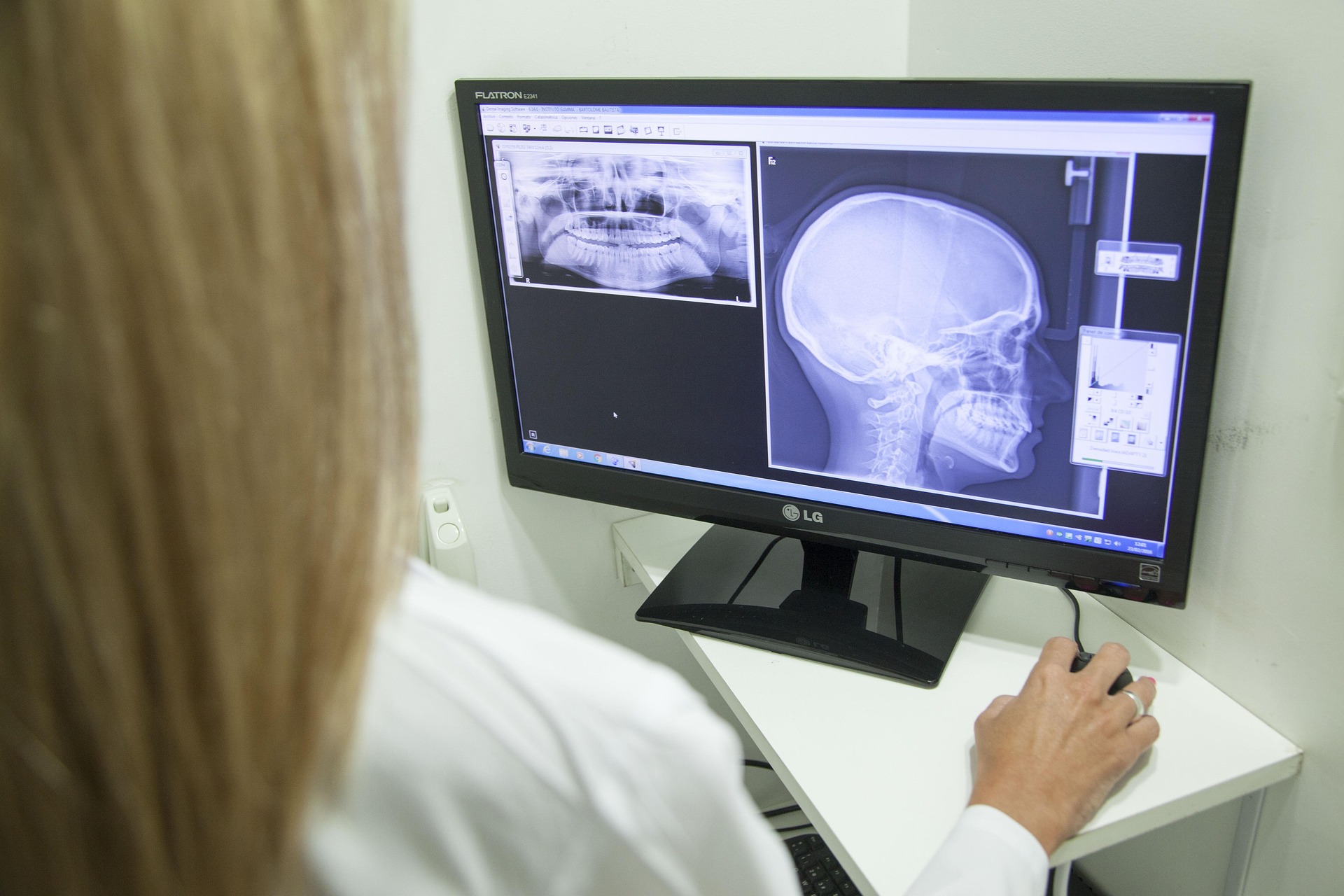
When something feels wrong inside the body, the first step is often to get a clearer picture. Whether it is a painful ankle after a fall, a persistent cough, chest discomfort, back pain, joint stiffness, or a suspected fracture, an X-ray remains one of the most widely used diagnostic imaging tools in modern healthcare.
For many South Africans, the search starts with a simple phrase: X-ray near me. It is usually typed in a moment of concern, discomfort, or urgency. You may have been referred by your GP, specialist, dentist, physiotherapist, chiropractor, emergency unit, or occupational health provider. You may need a quick assessment after an injury, or your doctor may want to rule out a more serious condition.
Diagnostic Radiological Services understands that patients want more than just imaging. They want reassurance, professional care, and accurate reporting that helps their healthcare provider make informed decisions. Our radiology services support both outpatients and hospital patients across Johannesburg’s eastern and southern areas, with access to a broad range of diagnostic imaging services, including X-rays, ultrasound, mammography, bone densitometry, MRI, CT, PET-CT, Cone Beam CT, and interventional radiology.
This guide explains the common conditions diagnosed with X-rays, when an X-ray may be recommended, what patients can expect, and why choosing the right radiology provider matters.
What Is an X-Ray?
An X-ray is a diagnostic imaging test that uses a small amount of ionising radiation to create images of the inside of the body. Dense structures such as bones absorb more of the X-ray beam, so they appear clearly on the image. Softer tissues appear differently, which allows radiologists and referring doctors to assess certain organs, joints, and internal structures.
X-rays are quick, non-invasive, and widely used because they can provide valuable information in a short space of time. They are especially useful for assessing bones, joints, the chest, spine, and certain abdominal concerns.
While an X-ray does not show every condition in the body, it is often one of the first imaging tests requested because it can confirm, exclude, or guide further investigation. In some cases, your doctor may recommend additional imaging such as ultrasound, MRI, CT, or bone densitometry depending on your symptoms and clinical history.
Why Patients Search for “X-Ray Near Me”
When patients search for X-ray near me, they are usually looking for three things: convenience, trusted reporting, and a radiology practice that can support their doctor’s next steps.
In a busy city like Johannesburg, location matters. Patients may need imaging before returning to work, after visiting a doctor, following an emergency consultation, or as part of ongoing treatment. Access to radiology rooms across areas such as Alberton, Bedford, Sunward Park, and surrounding Johannesburg communities can make the process easier and less stressful.
However, proximity should not be the only consideration. A reliable radiology provider should offer professional imaging, experienced radiologists, clear communication, and proper handling of reports. Diagnostic Radiological Services’ focus is on helping patients receive appropriate imaging in a professional environment, while supporting referring healthcare providers with the information they need.
1. Bone Fractures and Breaks
One of the most common reasons for an X-ray is to check for a fracture. This may happen after a fall, sports injury, car accident, workplace injury, or everyday accident at home.
An X-ray may help diagnose fractures in areas such as:
- Arms and wrists
- Hands and fingers
- Hips and pelvis
- Legs, knees and ankles
- Feet and toes
- Ribs
- Collarbone
- Spine
In South Africa, fractures are common across many age groups. Children may need X-rays after playground or school sports injuries. Adults may require imaging after road accidents, gym injuries, or workplace incidents. Older patients may need X-rays after a fall, particularly if osteoporosis or reduced bone strength is a concern.
X-rays can help determine the location, type, and severity of a fracture. This information helps your doctor decide whether you may need a cast, brace, splint, further imaging, specialist referral, or surgical assessment.
2. Joint Dislocations and Alignment Problems
A dislocation happens when the bones in a joint move out of their normal position. It may affect the shoulder, elbow, fingers, hip, knee, ankle, or other joints.
An X-ray can help assess whether a joint is properly aligned and whether there is an associated fracture. This is important because a dislocation may cause damage to surrounding bones, ligaments, and soft tissues.
Common signs that may lead a doctor to request an X-ray include:
- Sudden joint pain after injury
- Visible deformity
- Swelling
- Difficulty moving the joint
- Weakness or instability
- Pain after a joint has been repositioned
If soft tissue damage is suspected, your doctor may recommend further imaging, such as ultrasound or MRI, depending on the joint and the injury.
3. Arthritis and Joint Degeneration
X-rays are commonly used to assess arthritis and degenerative joint changes. They can show changes in joint spacing, bone spurs, and other signs that may suggest wear and tear or inflammatory joint disease.
Patients may be referred for an X-ray if they experience:
- Ongoing joint pain
- Morning stiffness
- Reduced range of motion
- Swelling around a joint
- Pain that worsens with activity
- Chronic knee, hip, hand, shoulder, or spine discomfort
Many patients delay imaging until pain begins affecting daily life. However, early investigation can help your doctor understand whether symptoms are related to arthritis, injury, alignment issues or another condition.
An X-ray does not replace a full medical assessment, but it can provide useful structural information. Your doctor may combine the X-ray findings with your symptoms, blood tests, physical examination, and medical history.
4. Chest Infections and Pneumonia
A chest X-ray is often requested when a doctor needs to assess the lungs, airways, heart, and chest structures. It may be used to help investigate symptoms such as:
- Persistent cough
- Shortness of breath
- Chest pain
- Fever with breathing symptoms
- Wheezing
- Unexplained fatigue
- Suspected pneumonia
Pneumonia is one of the common conditions that may be assessed with a chest X-ray. The image can help your doctor look for signs of infection, inflammation, or fluid in the lungs.
A chest X-ray may also help when symptoms are not improving as expected or when your doctor needs to check whether further treatment or follow-up imaging is required.
5. Rib Injuries and Chest Trauma
Rib injuries can be extremely painful, especially when breathing, coughing, laughing, or moving. After trauma, a doctor may request an X-ray to check for rib fractures or other chest-related concerns.
This may be necessary after:
- A fall
- A sports collision
- A car accident
- Direct impact to the chest
- Workplace trauma
- Severe coughing with sudden rib pain
While some rib injuries are treated conservatively, imaging can help rule out more serious problems, particularly when pain is severe or breathing is affected. If your doctor suspects internal injury, lung complications, or more complex trauma, CT imaging may be recommended.
6. Spine Conditions and Back Pain
Back and neck pain are common complaints, especially among people who sit for long hours, perform physically demanding work, play sport, or have had previous injuries. An X-ray may be used to assess the bones of the spine and identify structural concerns.
X-rays may help evaluate:
- Spinal alignment
- Degenerative changes
- Scoliosis or curvature
- Compression fractures
- Injury after trauma
- Certain causes of chronic back pain
It is important to understand that X-rays mainly show bones. They do not provide the same level of soft tissue detail as MRI, which is often used to assess discs, nerves, and spinal cord-related concerns. Your doctor will decide which imaging test is most appropriate based on your symptoms.
7. Bone Infections and Abnormal Bone Changes
In some cases, an X-ray may help detect changes related to infection, abnormal growths, or other bone conditions. These findings may not always be visible in the earliest stages, but X-rays can still form part of the diagnostic process.
A doctor may request imaging if there is:
- Persistent bone pain
- Swelling or redness
- A wound near bone
- Fever with localised pain
- Pain that does not improve
- Unexplained changes after previous injury
Depending on the findings, further imaging such as MRI, CT, bone scan, or PET-CT may be recommended. Diagnostic Radiological Services’ broader diagnostic imaging services allow referring doctors to request the most suitable imaging pathway for the patient’s condition.
8. Foreign Objects in Soft Tissue
X-rays can help locate certain foreign objects in the body, particularly if they are dense enough to be seen on imaging. This may include metal fragments, glass, or other materials after an injury.
A doctor may request an X-ray when a patient has:
- A puncture wound
- Pain after stepping on or handling a sharp object
- Swelling after injury
- Concern that a foreign object remains in the tissue
- A wound that is not healing properly
Not all materials show clearly on X-rays, so ultrasound or other imaging may be needed in some cases. Your referring doctor will guide the next step depending on the injury and suspected material.
9. Dental, Jaw, and Facial Bone Concerns
Certain X-ray techniques are used to assess dental, jaw, and facial structures. Cone Beam CT may also be used when detailed 3D imaging is required for dental, maxillofacial, or ENT-related assessments.
Patients may require imaging for:
- Dental infections
- Impacted teeth
- Jaw pain
- Facial trauma
- Dental implant planning
- Sinus or facial bone assessment
- Temporomandibular joint concerns
Because dental and facial structures can be complex, your dentist, maxillofacial surgeon, or specialist may recommend a specific type of imaging depending on the clinical question.
10. Bone Density and Osteoporosis Risk
Bone densitometry, also known as a DEXA scan, is a specialised form of X-ray technology used to measure bone mineral density. It helps assess osteoporosis and osteopenia, which are conditions linked to reduced bone strength.
This is especially relevant for:
- Post-menopausal women
- Older adults
- Patients with a history of fractures
- People on certain long-term medications
- Patients with medical conditions affecting bone health
- Individuals with a family history of osteoporosis
In South Africa, osteoporosis can be underdiagnosed until a fracture occurs. Bone densitometry helps doctors assess fracture risk and manage bone health proactively.
11. Abdominal Concerns
An abdominal X-ray may be requested when a doctor needs to assess certain internal structures. While ultrasound, CT, or MRI may be better suited for many abdominal conditions, an X-ray can still be useful in specific situations.
An abdominal X-ray may help investigate:
- Severe abdominal pain
- Suspected bowel obstruction
- Certain swallowed objects
- Follow-up after specific procedures
- Some urinary or digestive concerns
Because abdominal symptoms can have many causes, your doctor will decide whether an X-ray is enough or whether another imaging test is more suitable.
12. Follow-Up After Treatment or Surgery
X-rays are often used to monitor healing and treatment progress. For example, your doctor may request follow-up imaging after a fracture to check whether the bone is healing correctly.
Follow-up X-rays may be used after:
- Casting or bracing
- Orthopaedic surgery
- Joint replacement
- Spinal procedures
- Chest infections
- Injury recovery
- Medical device placement
This type of imaging helps your healthcare provider confirm whether the treatment plan is working or whether changes are needed.
What to Expect During an X-Ray
Most standard X-rays are quick and straightforward. Depending on the body part being examined, you may be asked to stand, sit, or lie down. The radiographer will position you carefully so the correct area can be imaged.
You may be asked to remove jewellery, belts, or clothing with metal parts, as these can interfere with the image. For chest X-rays, you may be asked to take a deep breath and hold it briefly while the image is taken.
The procedure is usually painless, although positioning may be uncomfortable if you are injured. The imaging itself only takes a short time, and you can usually return to normal activities afterwards unless your doctor advises otherwise.
After the examination, a radiologist reviews the images and prepares a report. This report is made available to your referring healthcare provider so they can discuss the findings and next steps with you.
Is an X-Ray Safe?
X-rays use a small amount of ionising radiation. In medical imaging, the aim is always to use the appropriate test for the clinical need while keeping exposure as low as reasonably achievable.
Your doctor will refer you for an X-ray when the expected diagnostic benefit outweighs the risk. It is important to tell the radiographer if you are pregnant, think you may be pregnant, or have any concerns before the examination.
Children may also have X-rays when clinically necessary, but special care is taken to use appropriate imaging techniques for younger patients.
When Should You Search for “X-Ray Near Me”?
You may need to search for X-ray near me if your doctor has given you a referral or if you have been advised to get imaging after an injury or illness. Common reasons include pain, swelling, trauma, ongoing cough, chest symptoms, suspected fracture, or follow-up after treatment.
You should seek urgent medical attention if you have severe pain, chest pain, difficulty breathing, a serious injury, sudden weakness, confusion, or symptoms that feel like an emergency. In these cases, do not delay care while searching online.
For non-emergency referrals, choosing a trusted radiology practice helps ensure that your imaging is performed professionally and reported by qualified radiologists.
Why Choose Diagnostic Radiological Services for X-Rays?
When patients search for X-ray near me, they need a provider that combines accessibility with professional radiology expertise. Diagnostic Radiological Services provides diagnostic imaging support across multiple locations in Johannesburg’s east and south, serving both outpatient and hospital-based patients.
Our services include general X-ray imaging as well as a broader diagnostic offering, allowing doctors to refer patients for additional imaging when required. This is especially valuable when symptoms are complex or when a first-line X-ray suggests the need for further assessment.
Patients and referring doctors choose Diagnostic Radiological Services because we focus on:
- Professional diagnostic imaging
- Experienced radiology teams
- A wide range of imaging services
- Support for both routine and specialised referrals
- Clear reporting to assist clinical decision-making
- Accessible locations for communities in and around Johannesburg
FAQs About X-Rays
What conditions can an X-ray diagnose?
An X-ray can help diagnose or assess conditions such as bone fractures, joint dislocations, arthritis, chest infections, pneumonia, rib injuries, spinal alignment issues, foreign objects, and certain dental or facial bone concerns. Your doctor will decide whether an X-ray is the right test for your symptoms.
Do I need a referral for an X-ray?
In most cases, X-rays are requested by a doctor, dentist, specialist, or other healthcare provider. A referral helps ensure the correct body part is imaged and that the radiologist understands the clinical reason for the examination.
How long does an X-ray take?
A standard X-ray is usually quick. The imaging itself may only take a few minutes, although registration, preparation, and positioning can add extra time. More complex examinations may take longer.
Is an X-ray painful?
The X-ray itself is not painful. However, positioning may be uncomfortable if you have an injury or severe pain. The radiographer will help position you as carefully as possible.
Is an X-ray safe?
X-rays use a small amount of ionising radiation. They are widely used when medically justified. Your healthcare provider will request an X-ray when the expected benefit of the information gained is greater than the potential risk.
Can I have an X-ray if I am pregnant?
You should tell the radiographer if you are pregnant or think you may be pregnant before any X-ray. Your doctor and radiology team will consider the safest and most appropriate imaging option.
What is the difference between an X-ray and a CT scan?
An X-ray creates a flat image of a specific area, while a CT scan uses X-ray technology to create detailed cross-sectional images. CT is often used when more detail is needed, especially for complex injuries, internal organs, or certain medical conditions.
What is the difference between an X-ray and an MRI?
An X-ray is especially useful for bones and chest imaging. MRI uses magnetic fields and radio waves to create detailed images of soft tissues such as muscles, ligaments, discs, nerves, and organs. Your doctor will choose the most appropriate test based on your symptoms.
What should I wear for an X-ray?
Wear comfortable clothing without metal parts if possible. You may be asked to remove jewellery, belts or clothing that could interfere with the image.
Where can I find an X-ray near me in Johannesburg?
If you are searching for X-ray near me in Johannesburg’s eastern or southern areas, Diagnostic Radiological Services offers radiology support across multiple branches, including areas such as Alberton, Bedford and Sunward Park. Contact us to confirm the most suitable location for your referral.
Book Your X-Ray With a Trusted Radiology Team
If your doctor has referred you for an X-ray, choosing the right radiology provider can make the process easier and more reassuring. Diagnostic Radiological Services supports patients with professional imaging, experienced reporting, and access to a wide range of diagnostic services.
Whether you are dealing with an injury, ongoing pain, chest symptoms, a suspected fracture, or a follow-up referral, our team can assist with the imaging your healthcare provider needs.
When you search for X-ray near me , choose a radiology team that understands the importance of accurate imaging, patient care, and timely support.
Contact Diagnostic Radiological Services to book your X-ray or speak to our team about the most suitable branch for your referral.