

- What is Interventional Radiology
- What you can Expect when getting Interventional Radiology
- Specialised Interventional Radiology Procedures
- Why Choose Diagnostic Radiological Services?
What is Interventional Radiology
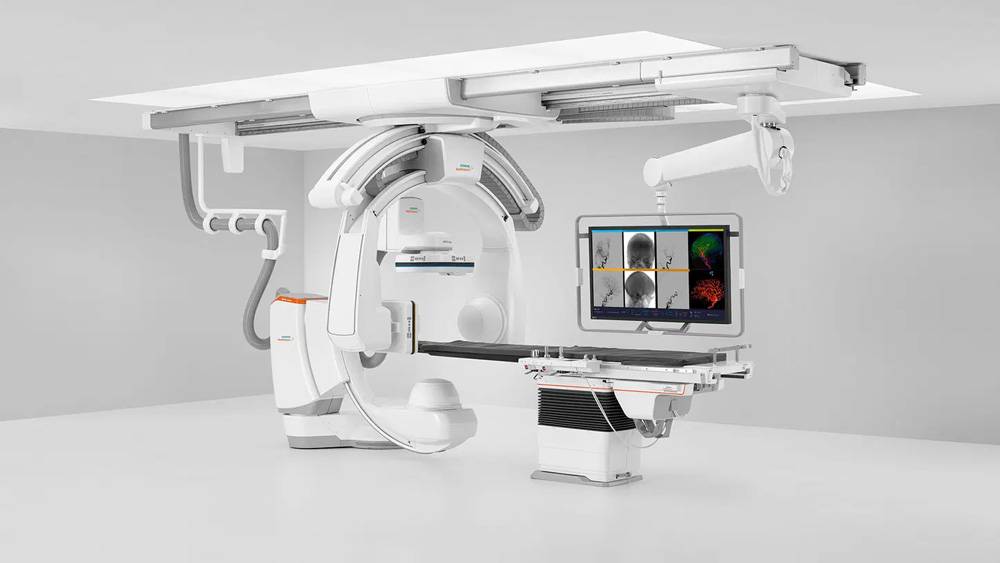
Interventional radiology is a cutting-edge medical speciality that uses advanced imaging techniques, such as fluoroscopy, computed tomography (CT), magnetic resonance imaging (MRI), or ultrasound, to diagnose and treat a wide range of diseases.
Unlike traditional surgery, which often requires large incisions, interventional treatment makes use of catheters, wires, and other tools through very small incisions, ensuring precise treatment with fewer complications and a faster recovery.
Benefits of Interventional Radiology
Choosing interventional treatment comes with several significant advantages:
- Fewer complications compared to open surgery
- Smaller incisions and less trauma to the body
- Less discomfort during and after the procedure
- Faster recovery times so you can return to daily life sooner
What to Expect During Interventional Treatment
Our highly skilled interventional radiologists ensure each patient receives safe and effective treatment. Here’s what you can expect.
Before the Procedure
- Your medical history will be carefully reviewed.
- You may undergo blood tests to ensure you are fit for the procedure.
- Certain medications may need to be paused to reduce the risk of complications.
- Administrative steps, including authorisation and admission to the day ward (where applicable), will be completed.
During the Procedure
- The procedure is performed using imaging guidance for precision.
- Only small incisions are made, minimising trauma to surrounding tissues.
After the Procedure
- Recovery is usually quick, with most patients experiencing minimal discomfort.
- You will be monitored before being discharged with tailored aftercare instructions.
Specialised Interventional Radiology Procedures
We also provide a comprehensive range of general interventional treatments, including:
- Chest drain insertions
- Pleurx catheter insertion for recurrent ascites or pleural effusion
- Core biopsies and fine needle aspirations
- Ascitic and pleural drainage
- Hip, shoulder, and sacro-iliac joint infiltrations
- Nephrostomy and DJ stent placement
- Peripherally inserted central catheter (PICC) lines
- Pigtail catheter insertions for abscesses
- Lumbar punctures and myelograms
- Dacrocystographies
Hepatobiliary Interventions
Our interventional radiologists are experienced in treating liver and biliary system conditions, including:
- Percutaneous transhepatic stent placements
- Transarterial chemoembolisation (TACE) for liver cancer
- Liver and tumour embolisations
- Liver abscess drainage
- Percutaneous transhepatic biliary drainage
Pain Management Interventions
For patients with chronic pain, interventional treatment offers minimally invasive pain management options:
- Caudal epidural infiltrations
- Facet joint infiltrations
- Lumbar nerve root infiltrations
- Occipital nerve block for chronic headaches
Why Choose Diagnostic Radiological Services?
- Expert team: Our procedures are performed by qualified interventional radiologists with specialist expertise.
- Minimally invasive: Safe, targeted treatment with reduced risks.
- State-of-the-art technology: Ensuring precision, safety, and excellent outcomes.
- Patient-focused care: Tailored procedures designed around your unique needs.
Sample Description
AVAILABLE AT THE
FOLLOWING BRANCHES
Book Your Interventional Radiology Procedure Today
If you require precise, minimally invasive treatment, trust the expertise of Diagnostic Radiological Services.
Contact us today to schedule a consultation and find out how interventional treatment can benefit you.